

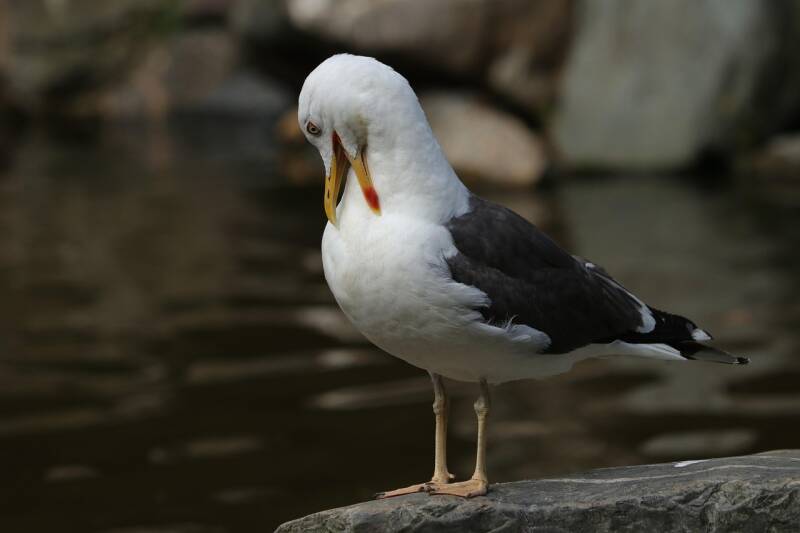
Why Seabirds Avoid Offshore Wind Farms
Offshore wind is expanding, and it is important to fully comprehend how marine wildlife reacts to these huge wind turbines. While some seabirds appear to be attracted to them, even using them as strategically placed resting posts, others avoid them. Researchers have been looking at one adaptable seabird in particular - the lesser black-backed gull.
What £72m could do for nature
In the last two days, two billionaires have donated a staggering £36m each to just one political party here in the UK. That political party is Reform UK, and while people are entitled to donate where they wish, as a conservationist, it made me wonder what that money could do for nature recovery.
£72m could be transformative. It could greatly reduce the pressure on much of our wildlife and protect species on the brink. It could deliver one of the most significant boosts for nature protections, restoring rivers, helping pollinators, marine life and even creating new nature reserves. To show how significant these funds are, it would be equivalent to fifty or sixty years of funding for a wildlife organisation.
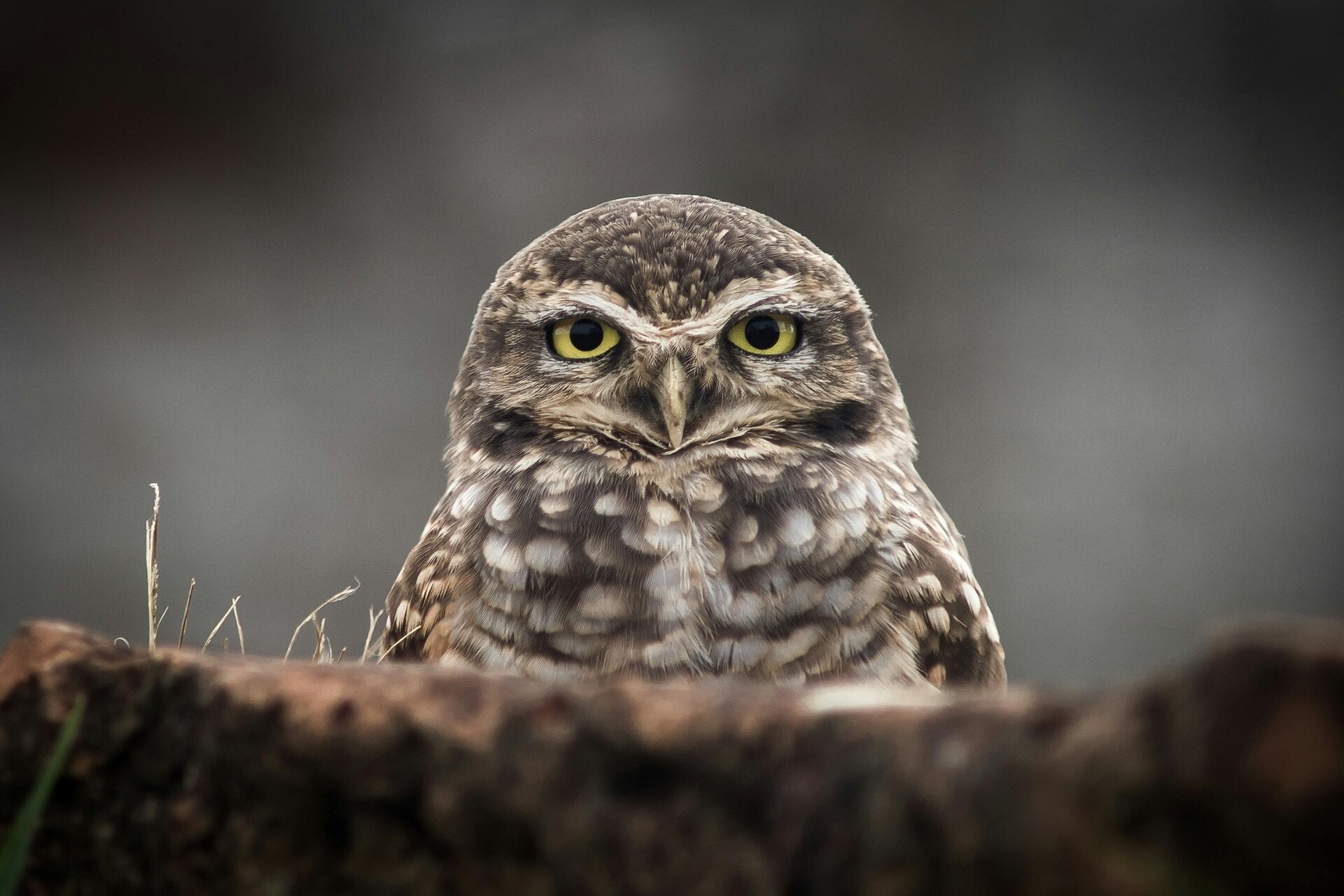
Mystery of 15 Elephant Deaths in Kenya
An investigation is in place after 15 elephants were found dead near Kenya’s Amboseli National Park following suggestions by wildlife officials that pesticide poisoning could be to blame.
The deaths occurred between June 24 and July 24 in the Amboseli ecosystem, which is a vital wildlife corridor linking Amboseli and Tsavo National Parks. Traces of cyanide were found in samples taken from the animals' stomachs.
The elephants may have been accidentally exposed to toxic pesticides sprayed on nearby tomato farms, but leading conservationists have questioned whether pesticides alone could have caused the deaths.
In 2024, a food safety report found evidence that some of the farmers in the area were using insecticides containing cyanide compounds, although illegal in Kenya.
Deliberate poisoning has not been ruled out.
Sign up for our free newsletter.

Greater Legal Protection Called for England's Ponds, Streams and Small Lakes
Cross-party MPs, along with 17 leading conservation organisations, have asked the UK Government to give greater protection to England's ponds, streams and small lakes.
A letter, coordinated by Labour MP Chris Hinchliff, urges ministers to use the forthcoming Water Bill to recognise the importance of these small waters.
Signatories include the Freshwater Habitats Trust and Wildlife and Countryside Link, which say these habitats make up more than three-quarters of England’s freshwater environment. They often provide cleaner water than larger rivers and support many threatened plants and animals. However, they receive little protection or routine monitoring.
Campaigners believe it is vital to strengthen protections for these habitats so that these small bodies of water could help England to meet its nature recovery targets.
Want environmental and nature news sent to you? Join our free newsletter.
Rare Butterflies Flourish in Former Landfill
Brookhurst Wood, near Horsham, closed as a landfill in 2018. It has since been transformed into wildflower-rich grassland and conservationists have confirmed the site supports 26 butterfly species. This includes some of the most threatened butterfly species in the UK - the grizzled skipper, dingy skipper and small heath.
A long-term programme of restoration between the Butterfly Conservation and the waste management company Biffa was undertaken. The restorative work has led to ideal conditions not just for butterflies but has attracted red kites, linnets, kestrels, skylarks and nightingales.
Decades of pollution, habitat loss and climate change have impacted butterflies, so projects like this are vital if biodiversity loss is to be reversed. The results at Brookhurst Wood show how former industrial sites can help nature recovery.
Get more environmental and nature news direct by email. Join our free newsletter here.

A Stark Warning About the Earth's Resources
Humanity is exhausting the Earth’s natural resources. Let that sink in for a moment.
Global Footprint Network has spent decades monitoring our demands on nature, and in the early 1970s and every subsequent year, it has been getting worse. Consider this: we use as many ecological resources as if we lived on 1.7 Earths.
New analysis warns the world is consuming natural resources at its fastest rate on record.

If We Love Bees - Why Do We Still Kill Them?
‘Save the bees’ is a common call from British people as we are aware of their importance as pollinators. But if we truly care, why is the British Government still approving a pesticide that impacts bumblebee reproduction?
Seems stupid, right?
A recent study by scientists at the Georgia Institute of Technology revealed that the genes involved with reproduction in bumblebees was changed by exposure to....

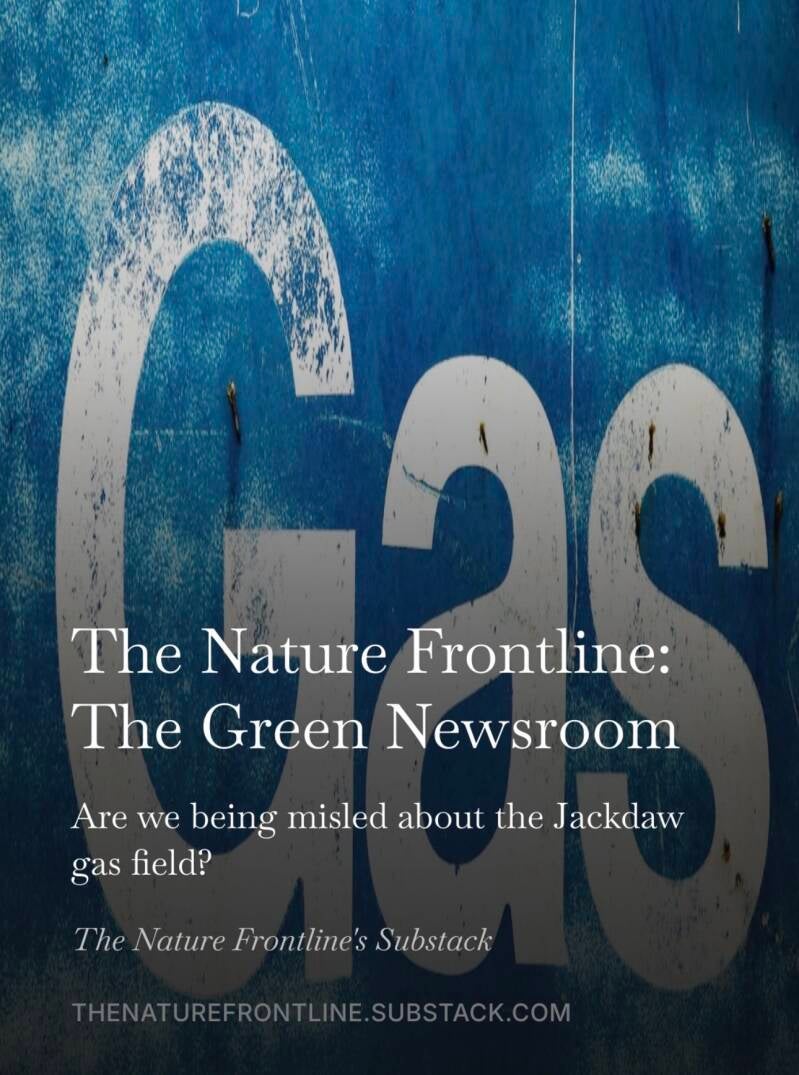
Jackdaw Gas Fields: Are We Being Misled?
There is a lot of misleading information about our reliance on fossil fuels in the UK with campaigners on both sides pushing for a decision. The pressure is only growing and the costs are huge.
The US President, Donald Trump, is calling for ‘drill baby drill’ irrespective of the environmental harms hoping that our new Prime Minister, Andy Burnham will give drilling the green light.
But the newly-promoted Secretary of State for Energy, Miatta Fahnbulleh, has not made a decision about the Rosebank or Jackdaw oil and gas fields.
There is a lot of misleading information about our reliance on fossil fuels in the UK with campaigners on both sides pushing for a decision. The pressure is only growing and the costs are huge.
The US President, Donald Trump, is calling for ‘drill baby drill’ irrespective of the environmental harms hoping that our new Prime Minister, Andy Burnham will give drilling the green light.
But the newly-promoted Secretary of State for Energy, Miatta Fahnbulleh, has not made a decision about the Rosebank or Jackdaw oil and gas fields.
Some of the MPs vying for more drilling are typically from Reform UK and The Conservatives. They state it will be cheaper and there will be numerous jobs.
New figures show that the economic case for the Jackdaw gas field in the North Sea is unlikely to rise to the claims.
The figures from Adura’s Environmental Impact Assessment stated that there would be approximately 300 jobs - in association with the Shearwater platform which included 273 operational roles (already in place) plus new jobs.
According to a press release by Greenpeace, there is the suggestion of just 27 new full-time jobs for Jackdaw. Which would mean that the numbers of new long-term positions as a result of the gas field is minimal.
There is no doubt that many of the supporters of Jackdaw have been highlighting the economic benefits and even company statements and documentation has ...
Sign up for our free newsletter and don't miss out on any new posts.
Climate Crisis: Scientists Warn That We Are Not Prepared
Scientists are calling for an in-depth global assessment of the risks associated with climate change, warning that governments lack a clear understanding of the dangers.
An international team of researchers has argued that although significant progress has been made in understanding the causes of climate change as well as reducing greenhouse gas emissions, much less is being done to assess the risks facing society systematically,
A comprehensive global assessment of risks would ascertain a clearer picture of how communities, infrastructure, economies and ecosystems could be impacted over the next few decades. Without this, scientists have warned that governments could underestimate emerging threats and be unprepared for the severe impacts.
Read more here.
